
content
T-Levels and Full Time Education
If an apprenticeship is not available, there are currently two alternatives at the 16-19 year old stage:
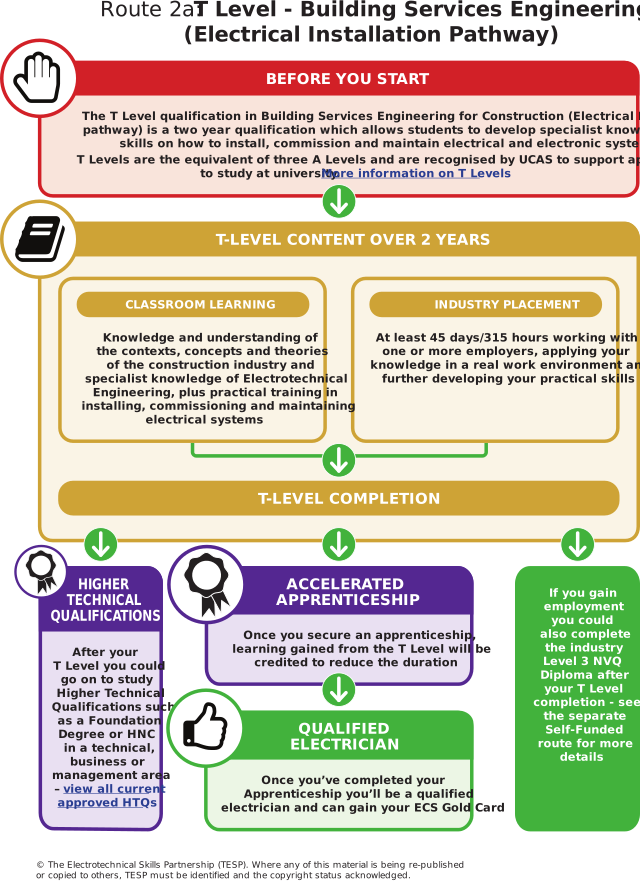
Route 2A – T Levels
Route 2B – Full Time Education
The T Level Route (2A) includes a substantial industry placement with one or more employers. This gives you the opportunity to learn new skills and practise them in the workplace. On completing the T Level, you can transition into an “accelerated apprenticeship” – this means that the length of the apprenticeship will be reduced to recognise learning you have already received through the T Level. It’s important to complete the T Level first as otherwise, learning may not be able to be credited and you may need to undertake the full 4 years of the apprenticeship.
The classroom-based Route 2B will provide you with technical knowledge and some practical skills that you can gain at a college or training centre, with the potential for work experience or contact with employers. You’ll still need to get practical experience in the workplace before you can become qualified. If at any stage during your college education you become employed, you can transfer onto an apprenticeship programme (see Apprenticeship Route) and your employer will fund the completion of your training, either through their apprenticeship levy funds or through government support. What you’ve learnt already will be recognised and will reduce the time it takes to complete your apprenticeship.
If you don’t become employed there’s only so far you can go – it’s not possible to become qualified until you get into the workplace and gain on-site practical experience. You could look for opportunities to support qualified electricians and learn your trade to start this process.